
Majesty Palm Indoor Care: Why Most Struggle—and What Actually Works
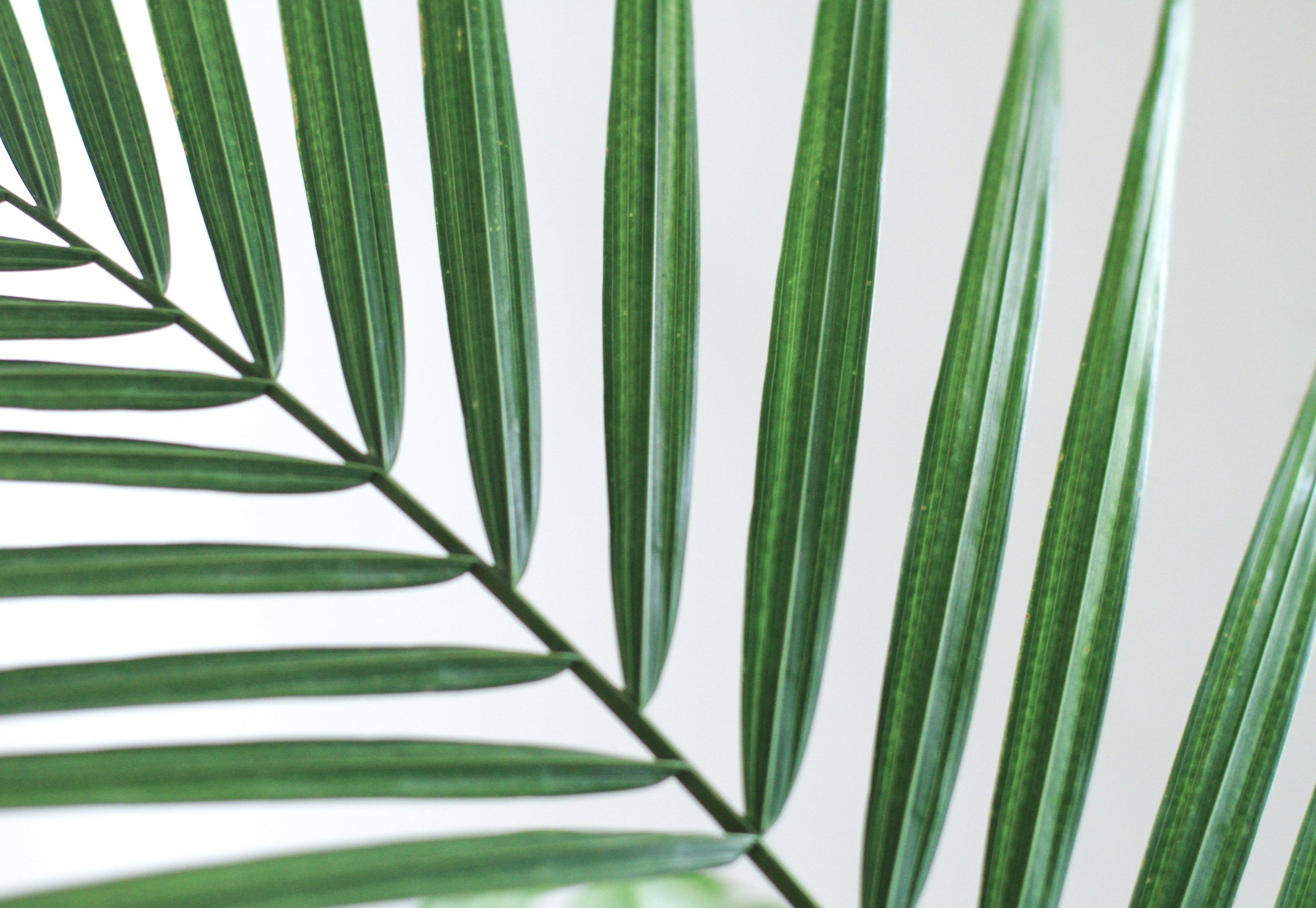
Majesty palms are one of the most misunderstood indoor plants.
Not because they’re fragile.
Not because they’re difficult.
But because they rarely fail in obvious ways.
Most Majesty palms don’t die indoors.
They stall.
They stop producing meaningful new growth. Fronds open smaller. Tips brown slowly. Nothing feels urgent—but nothing improves either. And that quiet middle space is where most plant owners lose confidence.
The truth is, Majesty palms are doing exactly what they’re designed to do: conserve energy when conditions don’t support growth.
Understanding that one principle changes everything.
The Problem With Calling Majesty Palms “Easy”
Majesty palms are often sold as easy or low-maintenance houseplants. That label exists for one reason: they tolerate stress quietly.
They hold their shape.
They don’t shed leaves dramatically.
They photograph well in retail environments.
That makes them excellent plants to sell. It does not automatically make them excellent plants to live with long-term indoors.
A plant that survives early stress without complaint can still be under constant physiological pressure. Majesty palms are especially good at hiding that pressure.
Survival Is Not the Same as Success
When a Majesty palm survives for six months indoors, people assume they’re doing something right. When it survives for a year, they assume the advice worked.
But survival isn’t success.
Majesty palms rarely signal stress through dramatic symptoms. Instead, they respond by slowing growth, reducing output, and conserving energy. Stress doesn’t always show up as damage. Sometimes it shows up as nothing happening.
That’s not failure. It’s biology.
“Low Light Tolerant” Doesn’t Mean What You Think
One of the most damaging phrases in indoor plant care is low light tolerant.
What it actually means is simple: the plant doesn’t die immediately in low light.
It does not mean the plant grows well there.
It does not mean the plant stays healthy there.
And it certainly does not mean the plant evolved for it.
Tolerance is not preference.
In low light, Majesty palms don’t adapt by growing stronger. They adapt by using less. Photosynthesis slows. Energy intake drops. Growth pauses. The margin for error narrows.
Over time, that energy budget runs tight.
Why Watering Advice So Often Fails
Watering gets blamed because it’s visible. When something goes wrong, water is the first variable people adjust.
But water doesn’t act alone.
It interacts with light, temperature, airflow, soil structure, and root oxygen. When those variables are aligned, watering becomes forgiving. When they aren’t, watering becomes confusing.
This is why the same watering routine can work beautifully in one home and fail completely in another.
Most so-called overwatering problems are not caused by too much water. They’re caused by insufficient light and limited oxygen in the root zone.
Water is often the messenger, not the culprit.
Roots Are the Invisible Constraint
Indoors, the container becomes the environment.
Not the room.
Not the home.
The pot.
Roots are living, breathing tissue. They require oxygen, not just moisture. Decorative containers without proper drainage, oversized planters that stay wet too long, or compacted soil structures quietly limit oxygen availability.
This is why Majesty palms sometimes decline shortly after being repotted into a more “beautiful” container. The care didn’t change—the environment did.
Root health sets the ceiling for recovery. When roots are compromised, no amount of careful watering can fully compensate.
Environmental Stress Adds Up Over Time
Majesty palms don’t experience stress as isolated events. They experience it cumulatively.
Slightly low light.
Slightly restricted roots.
Still indoor air.
None of these factors are catastrophic on their own. But stacked together over time, they narrow the plant’s margin for error until growth pauses altogether.
This is why many Majesty palms don’t look sick. They simply stop improving.
The plant isn’t failing. It’s conserving.
What Recovery Actually Looks Like
Recovery with Majesty palms is slow by design.
When conditions improve, the plant doesn’t rush forward. It stabilizes first. Roots re-establish function. Water movement becomes predictable. Energy budgets rebalance.
Visible growth comes later.
Damaged leaves don’t heal. Brown tips don’t turn green. Recovery shows up in what comes next, not in what’s already there. Early signs of success are subtle: fronds opening more fully, consistent coloration, and new growth that matches the size of previous growth instead of shrinking each cycle.
Calm comes before momentum.
The Roots & Roasts Principle: Consistency Over Intensity
One principle explains why Majesty palms succeed for some people and never quite settle for others.
Consistency over intensity.
Majesty palms evolved in environments with few extremes. Light changes gradually. Moisture moves continuously. Air circulates naturally. Indoors, we often introduce the opposite—dry periods followed by heavy watering, bright days followed by dark weeks, constant repositioning and adjustment.
From the plant’s perspective, those swings are far more stressful than a single imperfect condition.
Majesty palms don’t reward dramatic corrections. They reward stable patterns.
Predictable light, even if not perfect, outperforms occasional ideal placement. Steady watering outperforms reactive soaking. A consistent location outperforms frequent repositioning.
They don’t need perfection.
They need predictability.
What Success Actually Looks Like Indoors
Indoor success doesn’t look like rapid growth.
It looks like balance.
Fronds open fully, even if modest in size. Color remains consistent week to week. Growth is slow but repeatable. Care becomes boring. Nothing demands constant attention.
That calm is not neglect. It’s success.
Majesty palms are long-term plants. When the environment stays aligned, they remain stable for years—not dramatic, not flawless, but dependable.
Final Thought
Majesty palms don’t struggle because they’re difficult plants.
They struggle because they’re often placed in environments that don’t match what they evolved for.
When light makes sense, roots can breathe, and moisture moves instead of sitting, Majesty palms stop feeling unpredictable. Care becomes quieter. Growth becomes reliable.
They don’t reward shortcuts.
They reward alignment.